“The Bride” Will Inspire a Movement... Towards the Theater Exits
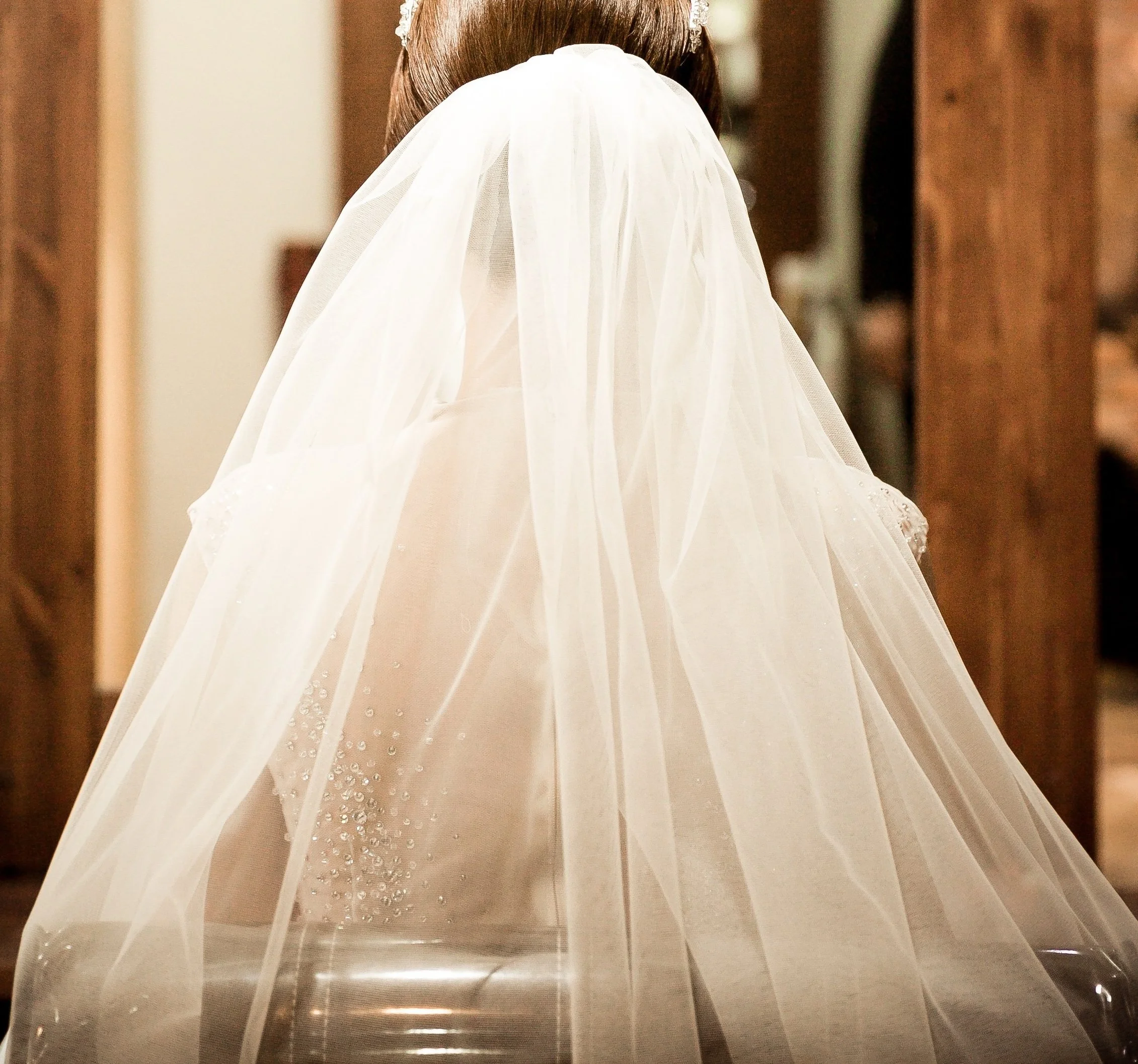
“I managed to count nine people out of my around twenty-person theater watching experience who left during our showing of “The Bride,” and based on the chatter in the room, I’m fairly certain that the rest of us were simply basking in the chaos”.
Image: ericaa1215 on https://pixabay.com/
March 31, 2026
Cole Writeout, Contributing Writer
Now, I admit the title of this review may seem a bit harsh, but I managed to count nine people out of my around twenty-person theater watching experience who left during our showing of “The Bride,” and based on the chatter in the room, I’m fairly certain that the rest of us were simply basking in the chaos. “The Bride” undeniably has a lot of things to say, and it is quite the piece of art, although I wouldn’t qualify it as any high form of art. “The Bride” comes at seemingly the perfect time, as with Guillermo del Toro’s Frankenstein snagging three Oscars this award season, the public should be primed and ready to watch another movie inspired by Mary Shelly’s famous novel, especially one exploring a feminist message, so what went wrong?
One thing I must credit the film for is that it doesn’t try to trick the audience into thinking this will be a normal viewing experience at the beginning. It starts us off with its oddest decision, the inclusion of some bizarre form of Mary Shelley, the original author of Frankenstein, as a sort of ghost haunting the narrative. Shelley is depicted as a bit of a rambling lunatic, existing in some empty liminal space. Shelly speaks directly to the audience, lamenting the fact that while Frankenstein has become a classic, she died before she could fulfill her true purpose as an author, which was to tell the story of The Bride. For the sake of the movie, we’ll ignore the fact that in reality, The Bride as a character was a Hollywood invention, and that Shelley never expressed any interest in expanding on her work. Shelley’s ghost will soon possess The Bride after she is resurrected by Frank. I’d love to explain to you how Mary Shelley’s ghost occupies the same world as the character she created, and why she decides to puppet a corpse to have a relationship with her character. However, the movie apparently found that explanation unnecessary, so here we are.
Our two leads act their hearts out. Christian Bale gives us a soulful and at times wrathful Frankenstein. Bale truly sells the character as someone who feels out of place in the world and exudes a constant sadness only eased in interactions with The Bride. This is shown in his obsession with film, watching the catalogue of his favorite actor, played by Jake Gyllenhaal, and projecting himself into the movie where he can feel like he belongs, but even as he watches the movies, he has to hide his face in fear of what others will think when they see him. Jessie Buckley, who plays The Bride stuns by switching between two characters on a dime, changing not only her accent but also her mannerisms as Shelley possesses her, with her unhinged performance almost salvaging the confusing possession plot point. If this were a better movie, she would certainly be in talks for an Oscar next year.
A large aspect of the movie is its attempt at a feminist message. The Bride herself claims independence from Frank, refusing to name herself the Bride of Frankenstein, only The Bride. However by naming herself The Bride, everyone will fill in the gap. To be a bride means to be wed to another, and to define yourself as such, you are defining yourself by that relationship, which I feel negates the message. This is exacerbated by the fact that Frank actually manipulates The Bride throughout the film. He tells her that she’s dead because of an accident that he was also involved in, and that they’ve been together for years; she just doesn’t remember. Their relationship is built on a lie, and when all this boils over, one would expect a film that emphasises feminism so much to have there be consequences for this lie. This is not the case . She forgives him in a matter of minutes, giving up everything for him.
I’ve neglected to mention the additional plotlines thus far, and that’s because they are shoehorned into the movie itself. First, we have two detectives, played by Peter Sarsgaard and Penélope Cruz, who follow the trail of our flawed lover. Cruz’s character is a brilliant detective who’s underestimated by her male peers, and Sarsgaard is her partner, who spends his screentime blatantly expositing the film's feminist message in case the audience didn’t catch it earlier. Sarsgaard was also in love with The Bride before she died, and remains so in her state of undeath. This has no impact on the story, but it’s here. Next, we have a mob boss who cuts off women’s tongues as a metaphor for silencing women. This mob boss has a grudge against The Bride from before her death, and sends a hitman after her, which has no impact on the story. Lastly, we have a blink-and-you’ll-miss-it, mini-feminine revolution. This revolution involves women taking to the streets dressed as The Bride and killing the men who’ve wronged them, inspired by a strange dancing flash mob/murder done by The Bride at a party, which again has zero impact on the story.
“The Bride” is a piece of art, full of passion from all involved. Emotions are high throughout the film, and it feels intoxicating to watch; mileage may vary on how positive that intoxication may feel for watchers. No one can say this movie isn’t taking risks, and I have to respect it, even if I didn’t enjoy the film's writing quality.