The Long Walk: Stephen King’s Blood-Soaked yet Heartfelt Metaphor for War
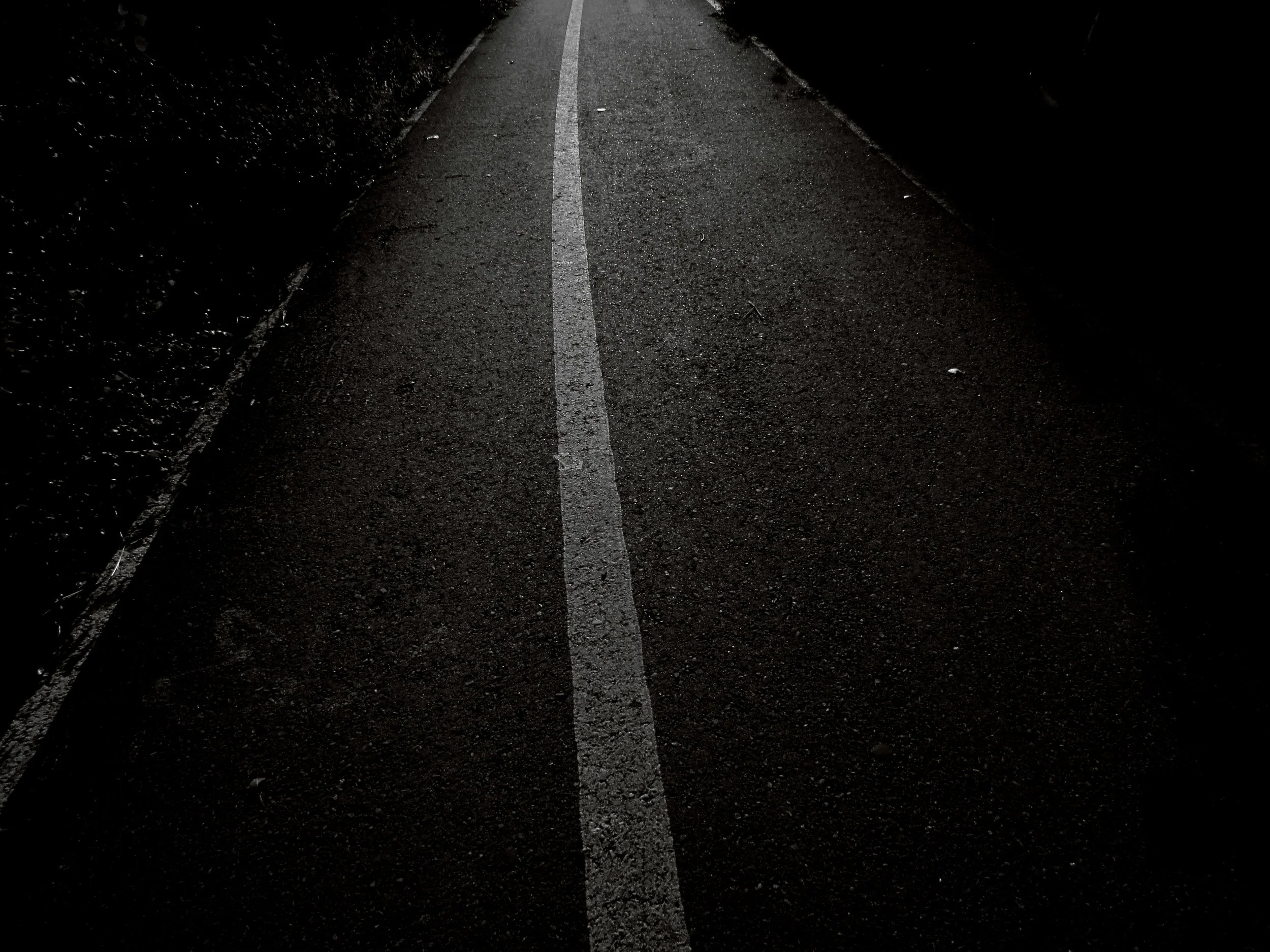
“The Long Walk” is a horror movie based on a novel by Bachman (Javier Cachafeiro on Unsplash).
12/21/2025
Eliza Rowley, Contributing Writer
In late September, a friend and I decided to go to the theater to see Stephen King's new horror movie, a film that neither of us had done research into, just that it was one of the Bachman books (books written under King's alter ego Richard Bachman), and that it was about a group of boys walking until they died. My first mistake was going into a Bachman thinking it was going to be King’s usual style, Bachman is known for being far darker and crueler than the author’s typical fare, and darker it was. We were thrown into 108 minutes of cold-blooded execution and tragedy, and the funny thing is, neither of us regretted a minute of it. In fact, I saw the film four times in total during its run.
“The Long Walk” is set in a dystopian future with the stylings of an ambiguously 1960s aesthetic, following Ray Garraty (played by Cooper Hoffman) as he is picked through a lottery to join a televised competition. In this competition, the winners walk without breaks, not even stopping to sleep or go to the bathroom, from the Maine Border then heading south to perceived glory. Accompanying him are forty-nine other competitors, one for each US state; Garraty himself represents the state of Maine. Important walkers include the aspiring poet Peter McVries (portrayed by Peter Jonsson), the gum-chewing Hank Olsen (Ben Wang), the religious Art Baker (Tut Nyout), the disturbed Gary Barkovich (Charlie Plummer), the protective Collie Parker (Joshua Oijick) and the enigmatic Stebbins (Garrett Waring). The competition is overseen by an army convoy following the walkers, led by the unhinged Major (Mark Hamill). The goal is made more challenging by the fact that not only must they continue walking, but they have to maintain a speed of 3mph while doing it. If they fall below that speed, they get three warnings, and if they fail to speed up…they get their “ticket.”
The boys begin the titular ‘Long Walk’ full of hope and a playful spirit, enjoying the activity until one of their comrades has a leg cramp and is forced to stop, leading him to be executed at gunpoint by one of the soldiers. Having witnessed death firsthand, the gravity of the situation hits the group, and they trek onward with the specter of death looming over their heads at all times. Even something as simple as a rock in their shoe can mean the premature end to their lives. Along the walk, deep friendships are made, as well as enemies, and even a potential romance between the two male leads is hinted at. The characters learn who they really are, what each other truly believes in and make peace with their impending deaths during the over five-hundred-mile trek showcased in the film.
“The Long Walk” is a showcase of brotherhood and the human condition, set against an extreme sci-fi backdrop, it also contains a very real metaphor within its pages. In the end, the movie–and the novel it is based on–can be considered a commentary on the senselessness of war, specifically the Vietnam War. Though King was never drafted himself due to health issues, the idea of young men forced to march to their death surely must have haunted him as a teen. The novel the film was based on was completed in 1967 but wasn’t published until 1979. The parallels are clear, with a forced march to death and each character serving as a different archetype of a person going to war; some of the boys are optimists, others are there to avoid social stigma and still more have a naive view of what their job entails, until people start dying that is.
All in all, though some graphic scenes of realistic violence can make this a difficult watch for sensitive viewers, I would highly recommend this to anyone who enjoys horror, thrillers, dystopias, action movies or even heartfelt dramas. There’s a little something for everyone in “The Long Walk”: stellar performances from the cast, tender moments of romance and brotherhood, clever social critique that remains just as relevant in 2025 as it did when it was penned in the 60s, stunning cinematography, a haunting soundtrack and palpable tension that will keep viewers hanging on to their sanity by a thread.